


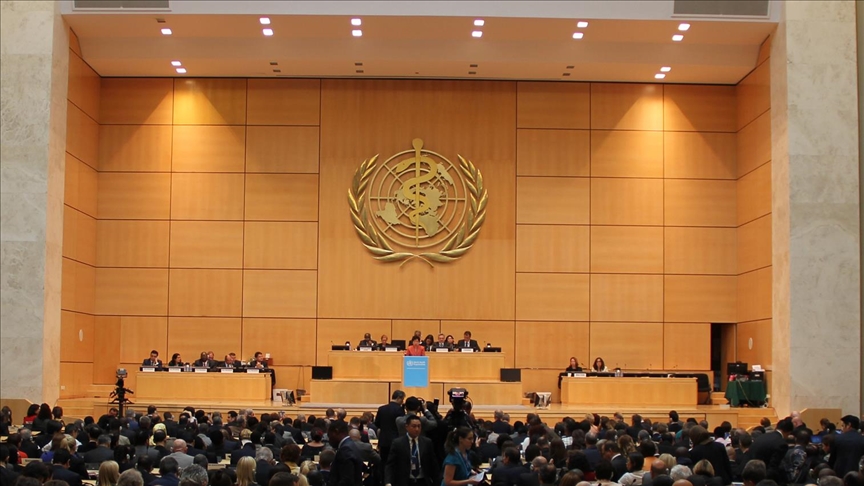
California has become the first U.S. state to join the World Health Organization’s Global Outbreak Alert and Response Network (GOARN), a landmark move in public health collaboration. This decision comes in the wake of the United States’ official withdrawal from the WHO, signaling a shift in how states can independently engage in global health initiatives. By joining GOARN, California gains access to international expertise, rapid disease surveillance, and coordinated outbreak response resources, strengthening its ability to detect and manage emerging health threats. This historic step highlights the state’s commitment to protecting its residents while fostering global cooperation in managing public health crises.
What is GOARN and Why It Matters
The Global Outbreak Alert and Response Network, or GOARN, is a WHO-coordinated network of health institutions, laboratories, and public health organizations worldwide, designed to detect, monitor, and respond to emerging disease threats. By connecting partners from multiple countries, GOARN ensures rapid information sharing, collaborative investigations, and coordinated outbreak responses. California’s participation allows state health agencies to access this global network directly, improving the speed and accuracy of local responses to epidemics and pandemics.
This engagement is particularly important given the federal government’s withdrawal from WHO, as it ensures California remains informed about potential threats and best practices. GOARN’s real-time data, technical guidance, and access to international expertise provide California with an additional layer of protection and preparedness, reinforcing the state’s ability to safeguard public health against infectious diseases, bioterrorism, and other emerging threats.
The Context of U.S. Withdrawal from WHO
California’s decision to join GOARN gains significance against the backdrop of the United States’ withdrawal from the World Health Organization in early 2026. Critics of the federal exit argue that it reduces the nation’s influence in global health policy, impedes disease surveillance, and limits rapid outbreak response capabilities. Public health experts warned that leaving the WHO could weaken coordination with international partners and compromise the timely exchange of critical information during pandemics.
California’s entry into GOARN represents a proactive response to this gap, allowing the state to maintain access to global networks, scientific expertise, and early warning systems. By establishing this independent connection, California ensures that its public health agencies can continue collaborating internationally, protecting residents from emerging infectious diseases despite federal disengagement. This move reflects a growing trend of state-level engagement in global health initiatives to compensate for limitations in national policy.
Benefits for California’s Public Health
Participation in GOARN offers California a range of public health advantages. Access to international surveillance systems enables the state to detect outbreaks early and respond quickly, minimizing the spread of infectious diseases. The network provides technical support, expertise, and evidence-based guidance from global health authorities, enhancing the capacity of local health agencies to manage complex health emergencies. Additionally, California can coordinate with laboratories and institutions worldwide to track new pathogens, analyze epidemiological data, and implement effective interventions.
This affiliation strengthens preparedness for events such as influenza outbreaks, emerging viruses, or antibiotic-resistant infections. It also ensures that California residents benefit from state-level access to timely and reliable information. The move demonstrates the state’s commitment to proactive public health governance, emphasizing prevention, rapid response, and collaboration with international experts to reduce health risks and protect its population against current and future global health threats.
Political and Policy Implications
California joining GOARN carries significant political and policy implications. The move highlights tensions between state and federal approaches to public health, especially in light of the United States’ withdrawal from WHO. By independently affiliating with a global health network, California asserts its authority to protect residents and maintain international cooperation without relying on federal engagement. This decision may inspire other states or regional alliances to pursue similar partnerships, creating a patchwork of subnational global health involvement.
Politically, it positions California as a leader in scientific engagement, public health innovation, and global collaboration. The decision also sparks debate over the role of state governments in international affairs and public health diplomacy. While some critics view the move as symbolic or politically motivated, the practical benefits in disease surveillance, outbreak response, and access to global expertise underscore its value in protecting public health. This action reflects a shift toward decentralized, state-driven participation in global health governance.
Future Outlook and Global Impact
California’s participation in GOARN sets a precedent for state-level engagement in global health networks and may influence international collaboration models. By establishing direct access to global disease surveillance systems, California demonstrates that subnational entities can contribute meaningfully to international health security. The state is likely to strengthen partnerships with academic institutions, laboratories, and regional health networks to leverage GOARN’s resources effectively. Over time, other U.S. states may follow California’s example, creating a decentralized network of state-led collaborations that complement federal efforts.
Globally, California’s entry underscores the importance of maintaining continuous communication and data sharing to anticipate and respond to outbreaks. GOARN’s integration with California’s public health infrastructure may also inform innovations in early warning systems, emergency preparedness, and coordinated responses to infectious diseases. This approach could enhance the resilience of local communities while providing a model for proactive engagement in global health initiatives amid changing federal policies.
Conclusion
California’s decision to join the WHO’s Global Outbreak Alert and Response Network represents a historic milestone in public health strategy and international cooperation. The move ensures that the state maintains access to global disease surveillance, technical expertise, and coordinated outbreak response systems despite federal disengagement. By participating in GOARN, California strengthens its preparedness against infectious diseases and demonstrates the evolving role of state governments in global health. This proactive approach highlights the importance of collaboration, rapid response, and evidence-based interventions in safeguarding public health. California’s leadership may inspire other states to follow, shaping the future of subnational global health engagement.
FAQs
What is the WHO Global Outbreak Alert and Response Network?
The Global Outbreak Alert and Response Network, commonly known as GOARN, is a World Health Organization–coordinated network that brings together public health agencies, laboratories, and experts from around the world. Its main purpose is to detect, monitor, and respond quickly to emerging disease outbreaks by sharing data, expertise, and technical support across borders.
Why did California join the WHO Global Health Response Network?
California joined GOARN to strengthen its public health preparedness and maintain access to global disease surveillance and expertise. The decision followed the United States’ withdrawal from the WHO, allowing California to continue collaborating internationally to detect and respond to health threats that could impact its population.
Does joining GOARN mean California is a member of the WHO?
No, California did not become a full member of the World Health Organization. GOARN participation is a technical partnership that allows institutions and governments to collaborate on outbreak response without requiring full WHO membership, which is limited to sovereign nations.