


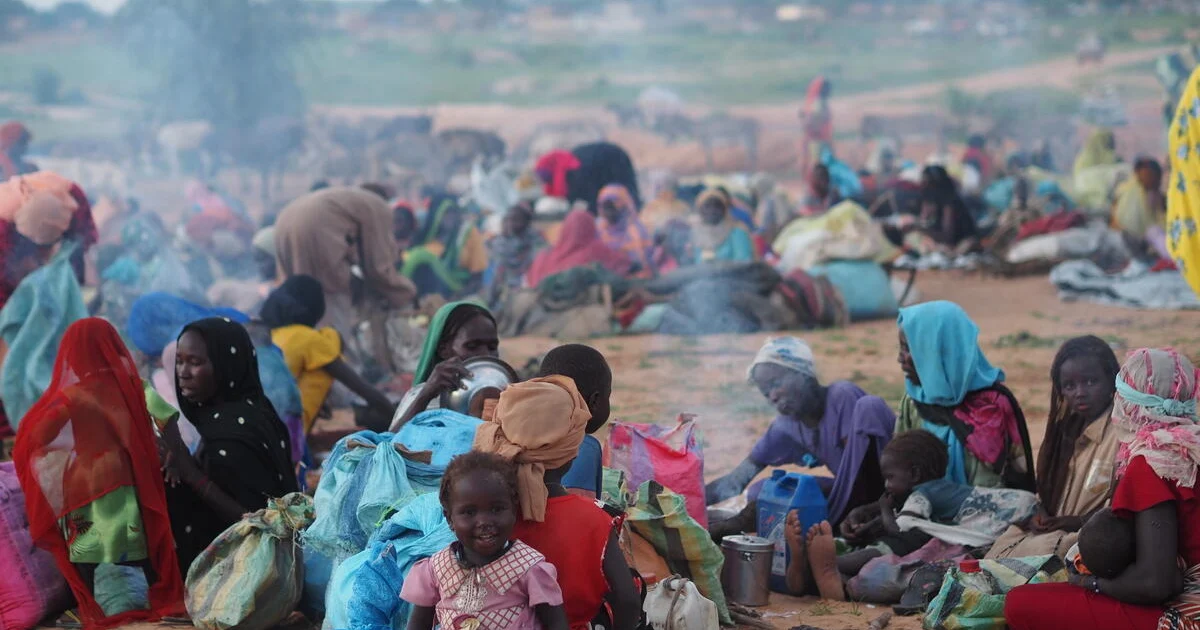
Sudan has become the world’s most severe humanitarian crisis in 2026, driven by nearly three years of brutal conflict that has displaced millions, shattered health systems, and pushed hunger and disease to catastrophic levels. With more than 30 million people in need of aid, the ongoing war between rival forces continues to fuel unprecedented suffering across the country. Urgent international action is critical to prevent further loss of life and stabilize the region.
Conflict and Collapse: How Sudan Became a Humanitarian Epicenter
Sudan’s humanitarian disaster stems from the civil war that erupted in April 2023 between the Sudanese Armed Forces and the paramilitary Rapid Support Forces (RSF). The violence has devastated the nation’s infrastructure, disrupted governance, and driven a complex emergency that combines conflict, hunger, displacement, and disease.
Key indicators of the crisis include:
- More than 30 million people in need of humanitarian assistance, a significant portion of Sudan’s population.
- Over 21 million people facing acute food insecurity, including famine conditions confirmed in parts of Darfur and other regions.
- 13.6 million people displaced internally, the largest displacement crisis worldwide.
- Widespread breakdown of essential services — including health care, water, sanitation, and education — in conflict zones.
These factors have combined to create some of the most extreme levels of human suffering seen anywhere in the world in recent decades.
Hunger and Food Insecurity: A Crisis Within a Crisis
Hunger remains one of the most alarming aspects of Sudan’s humanitarian emergency. The World Food Programme and UN partners warn that food stocks are rapidly declining, with millions at risk of starvation if hostilities and access constraints persist.
Food insecurity has been exacerbated by several interconnected factors:
- Ongoing fighting disrupts agricultural production and supply chains.
- Displacement of farming communities has halted planting and harvesting cycles.
- Inflation and market instability have pushed basic food prices out of reach for many families.
The combination of conflict‑driven food shortages and poor access to humanitarian assistance has put large swaths of the population at risk of famine, particularly in Darfur, Kordofan, and other conflict‑affected areas.
Health System Collapse and Disease Outbreaks
The public health situation in Sudan has deteriorated sharply, with health systems stretched to breaking point. According to the World Health Organization (WHO), the conflict has led to the collapse of crucial health infrastructure, leaving millions without access to basic and lifesaving care.
Major health challenges include:
- Disease outbreaks — including cholera, malaria, and dengue — fueled by poor sanitation and limited access to medical care.
- Attacks on health facilities and personnel, which have reduced the capacity of clinics and hospitals to respond.
- Mass displacement, which has worsened overcrowding in camps and increased the spread of infectious diseases.
A staggering number of health facilities are either non‑functional or severely constrained, depriving millions of essential services such as vaccinations, maternal care, and emergency treatment.
Children at Risk: Education, Nutrition & Protection
Children in Sudan face extraordinary risks as the crisis deepens. According to UNICEF, the number of children requiring humanitarian assistance has doubled since the conflict began, with violence, hunger, and disease threatening their survival and well‑being.
Key concerns for children include:
- Severe malnutrition, with many requiring urgent therapeutic care.
- Disruption of education, with millions of school‑aged children out of school.
- Protection risks, including gender‑based violence and exploitation for displaced children and families.
The crisis has reversed years of development gains, placing an entire generation at risk of long‑term harm.
Displacement and Breakdown of Services
The conflict has forced millions from their homes. Internal displacement within Sudan — now the world’s largest such crisis — has put immense pressure on limited resources and worsened humanitarian needs.
Displaced families often face:
- Overcrowded living conditions with limited access to clean water, sanitation, or shelter.
- Limited access to basic services, including health care and education.
- Insecurity on the road to safe areas, making humanitarian access a persistent challenge.
Humanitarian agencies continue to provide assistance, but access constraints and resource shortfalls hamper these efforts.
Funding Gaps and Global Aid Challenges
Despite the severity of the crisis, funding for Sudan’s humanitarian response has lagged behind needs, forcing aid agencies to make stark choices about where to focus limited resources. This funding gap has left millions without adequate food, medical care, or protection.
Efforts by international agencies, including UNICEF, WHO, IOM, UNHCR, and the World Food Programme, highlight the scale of the emergency and the urgent need for greater financial support and safe access to affected areas.
International Responses & Calls for Peace
Global actors have underscored the need for a ceasefire and lasting political solution to alleviate Sudan’s humanitarian toll. Diplomats, aid organizations, and world leaders continue to press for negotiations that prioritize civilian protection and access for aid deliveries.
Humanitarian organizations emphasize that without a reduction in hostilities, millions will continue to suffer with limited hope of recovery.
Conclusion
Sudan’s humanitarian crisis in 2026 remains one of the world’s most urgent emergencies. With millions displaced, facing hunger, disease outbreaks, and the collapse of essential services, the need for sustained international action has never been greater. Urgent efforts to expand humanitarian access, increase funding, and advance peace negotiations are critical to avert further catastrophe. Stay tuned to Newsifyx for continued coverage and updates on this evolving crisis.
FAQs
Why is Sudan considered the epicenter of humanitarian crises in 2026?
Sudan remains a global humanitarian epicenter due to prolonged civil war, massive displacement, acute food insecurity, disease outbreaks, and collapsed services — leaving more than 30 million people in need of aid.
How many people in Sudan need humanitarian assistance?
Over 30 million people — more than half the population — require urgent humanitarian assistance, including food, health care, shelter, and protection.
What is driving food insecurity in Sudan?
Food insecurity is driven by conflict that disrupts farming, supply chains, and markets, leading to hunger, famine conditions in some regions, and acute malnutrition.