


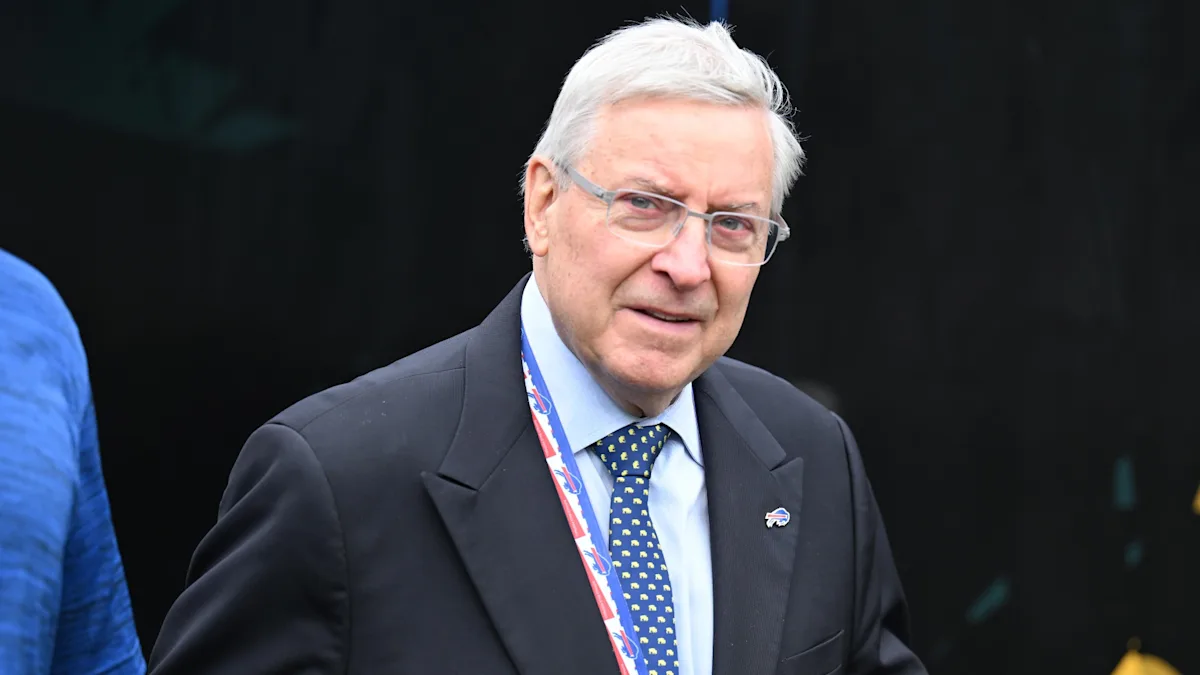
The Buffalo Bills organization has once again found itself at the center of controversy as internal tensions spill into the public eye. Following a turbulent postseason exit and the dismissal of head coach Sean McDermott, comments made by team owner Terry Pegula have intensified scrutiny around leadership decisions, player development, and front-office dynamics. What was expected to be a routine press appearance instead reignited debate about accountability within the franchise. Pegula’s remarks, widely interpreted as indirect criticism of roster decisions, have fueled speculation about the Bills’ future direction and raised questions about stability at the top of the organization. As fans and analysts react, the situation highlights deeper structural issues that could shape the franchise for years to come.
Ownership Remarks Spark Fresh Controversy
The latest drama emerged when Terry Pegula publicly addressed questions surrounding the team’s roster construction, specifically referencing the decision to draft wide receiver Keon Coleman. During the press conference, Pegula interrupted general manager Brandon Beane to clarify that the coaching staff strongly advocated for the pick, subtly distancing the front office from responsibility. While Pegula stopped short of criticizing Coleman directly, the implication that internal disagreement existed during the draft process quickly drew attention.
Analysts viewed the moment as unusual for an owner, particularly one commenting on specific personnel decisions. The remarks suggested fractures in organizational alignment and raised concerns about whether players could feel secure in an environment where ownership publicly revisits draft choices. Media reaction was swift, framing the comments as a rare and revealing glimpse into behind-the-scenes decision-making within the Bills franchise.
Fallout After Sean McDermott’s Firing
The controversy surrounding Pegula’s comments is closely tied to the recent firing of head coach Sean McDermott after nine seasons with the team. Despite consistent playoff appearances, the Bills’ inability to reach a Super Bowl ultimately led ownership to seek change. McDermott’s dismissal followed a divisional playoff loss that reignited frustration among fans and executives alike. Pegula’s subsequent remarks appeared to retroactively frame coaching influence as a contributing factor to roster shortcomings, further complicating the narrative around McDermott’s tenure.
Critics argue that publicly assigning blame risks undermining the accomplishments of a coach who brought long-term stability to the franchise. Others believe the comments reflect a broader shift in expectations from ownership, signaling a win-now mentality that leaves little room for developmental patience. The timing of the remarks has only amplified the sense of organizational upheaval.
Impact on Team Culture and Player Confidence
Public scrutiny from ownership can have lasting effects on team culture, particularly when comments involve individual players. In this case, Keon Coleman’s future with the Bills has become a topic of speculation, despite reassurances from the front office that he remains part of the team’s plans. When ownership openly revisits draft decisions, it can create uncertainty not only for the player involved but for the locker room as a whole.
Players may question long-term commitment, while coaches and executives must navigate heightened pressure under the spotlight. For a franchise built on stability and trust, these moments risk eroding internal confidence. Analysts note that successful organizations typically handle disagreements privately, making Pegula’s remarks stand out as a departure from established norms within the league.
Conclusion
The ongoing drama surrounding the Buffalo Bills underscores the delicate balance between ownership involvement and organizational autonomy. Terry Pegula’s comments, though brief, have opened broader conversations about accountability, leadership alignment, and the direction of the franchise following major changes. As the Bills enter a new chapter without Sean McDermott, how ownership communicates and supports its football leadership will be critical. While transparency can be valuable, public criticism risks creating distractions during a pivotal transition period. For fans and players alike, the hope remains that clarity, cohesion, and stability will ultimately prevail as the team works to refocus on championship aspirations.
FAQs
What is the Buffalo Bills controversy about?
The controversy centers on comments made by Bills owner Terry Pegula during a public appearance, where he referenced internal decision-making related to roster construction. His remarks were widely interpreted as indirect criticism of coaching influence and draft decisions, sparking debate about leadership and accountability within the organization.
Why did Terry Pegula’s comments draw criticism?
Pegula’s comments stood out because NFL owners rarely discuss specific player or draft decisions publicly. By revisiting internal disagreements in a public setting, critics argue that the remarks may have undermined trust within the organization and placed unnecessary pressure on players and staff.
How is this related to Sean McDermott’s firing?
The comments came shortly after the Bills parted ways with longtime head coach Sean McDermott. Many analysts believe Pegula’s remarks indirectly shifted responsibility for roster issues toward the former coaching staff, intensifying scrutiny of the decision to move on from McDermott.